Bike Share for Apartments in Raleigh: Condos & Multifamily Properties
Raleigh’s housing discussion puts residential density and planned transit investments together. The City of Raleigh describes efforts to increase housing options with a particular focus near planned transit investments. For owners considering bike share for apartments in Raleigh, the practical question is narrower: which resident trips could a building-based fleet serve? Current public-bike availability and suitable riding connections need verification before they become part of the amenity pitch.
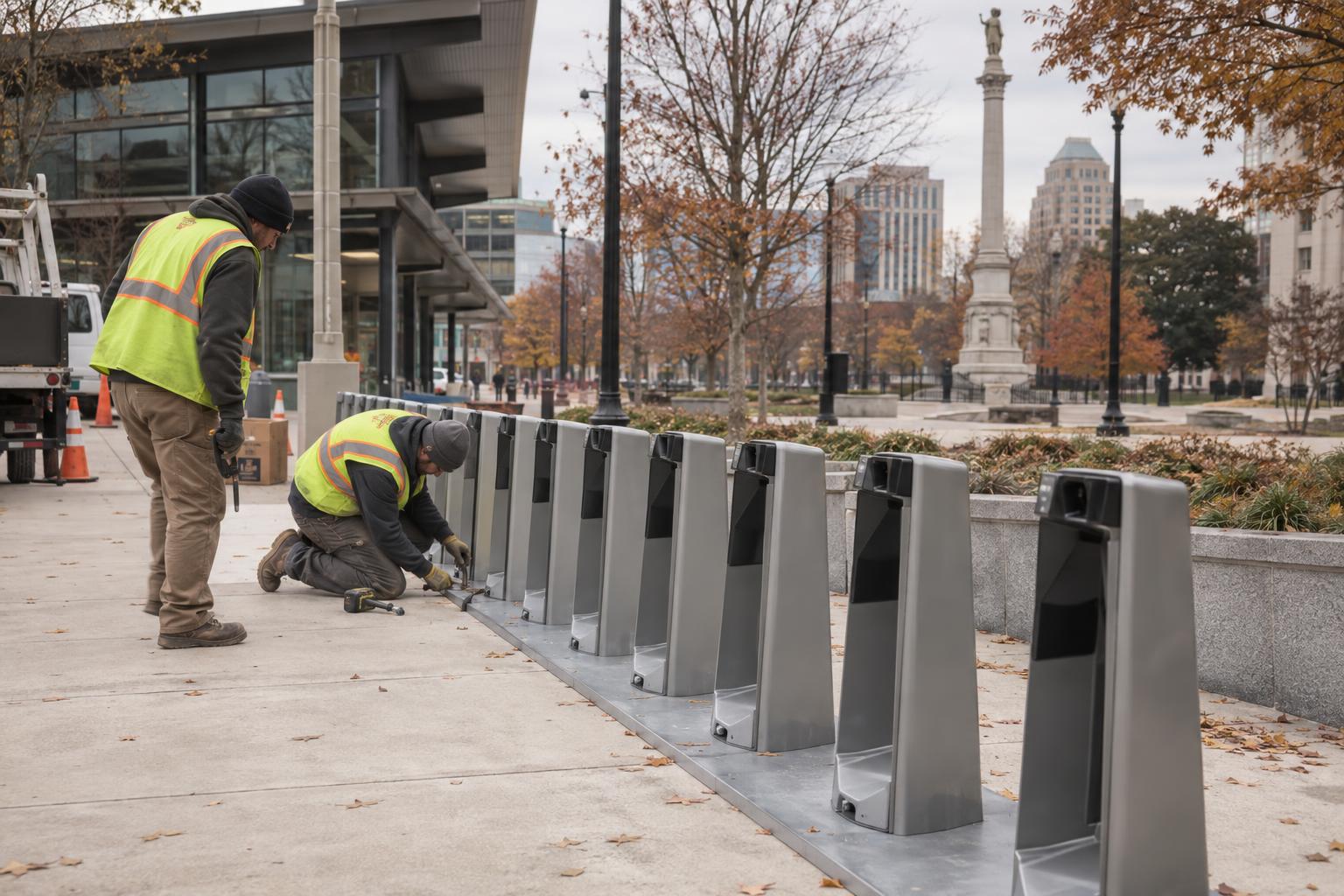
Raleigh city image and unresolved review requirements
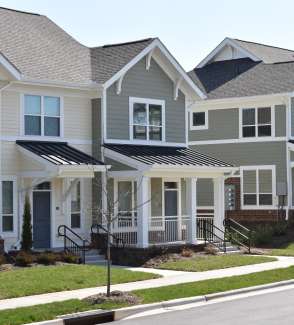
Image source: City of Raleigh housing FAQ. The supplied source describes the image as “Apartment buildings at Washington Terrace.” This is residential context, not a Property Pedal installation or evidence of a riding connection.
Editorial hold, not publication copy: The supplied image is embedded above, but an uploaded draft attachment and permission for reuse have not been confirmed. Keep the draft held until the image is actually attached and verified. The permitted source set also omits Raleigh’s BikeShare page and the November 2018 account. Required excerpts substantiating corral locations, private-property parking permission, station location and installation date, pilot dates, and reported ridership growth cannot be supplied from these materials. Those claims and their unsupported links have been removed. The mandatory evidence checks remain unresolved.
Source excerpts supporting the retained Raleigh context
City of Raleigh: housing types and planned transit investment
The city’s housing FAQ states: “City Council passed text change TC-5-20 in the summer of 2021. This ordinance amended the City’s zoning code to permit more types of housing in residential neighborhoods, particularly duplexes and townhouses.”
It continues: “Shortly thereafter, the Council directed staff to implement other creative strategies to increase the supply of housing with a particular focus near planned transit investments.” These statements support the housing context, not a current site entitlement or bike-share requirement.
Triangle Apartment Association: apartment development context
The association’s July 2021 account states: “The change also means apartments can be developed on smaller lots and with as few as three units.” This historical account does not identify current luxury development concentrations or establish suitability for a private fleet.
ABC11: a later housing change
ABC11’s January 2023 report states: “The change, which went into effect in early August 2022, made edits to the ordinance which includes language related to duplexes, triplexes, townhomes, apartments, cottages, and other types of denser housing options to be placed in areas that are largely single-family homes.” This is historical reporting, not confirmation of current permissions for an individual site.
CBS 17: New Bern Avenue
The March 2024 report is titled “City of Raleigh approves creation of Transit Overlay District along New Bern Avenue.” Its transcript states: “instead the city council voted to only establish a Transit overlay District in certain areas of the corridor.” The report supports historical corridor context, not current service, bike-parking requirements or private-fleet compliance benefits.
Felt: a route name, not a verified building connection
The Raleigh-labeled bicycle dataset lists “Reedy Creek Greenway.” The listing alone does not establish municipal boundaries, current route conditions or access from a property.
Raleigh fleet siting: housing context and route verification
Washington Terrace: assess the building, not the photograph
The city’s image identifies apartment buildings at Washington Terrace. It does not show that residents have access to a suitable bike route or establish demand for a shared fleet. Start with the building entrance, potential return spaces and resident trip requests.
New Bern Avenue: inspect the connection
Historical transit planning makes this corridor relevant to a transportation discussion, but it does not establish a current cycling route. Walk and ride any proposed connection from the building entrance. Check crossings, pavement transitions, visibility and destination parking before making a resident-facing recommendation.
Reedy Creek Greenway: verify access before promoting it
A route name in a regional dataset is not enough to promise convenient access. Confirm the intended destination and the complete connection from the property, including any difficult crossings or access restrictions. Do not describe it as a nearby amenity without a property-specific assessment.
Raleigh bike-share parking and resident access
Plan designated return spaces
Use unobstructed entrances and pedestrian routes as starting points for the property layout. Have the relevant site professionals confirm applicable requirements rather than assuming that public-bike parking instructions authorize a private installation.
Property Pedal’s designated pickup and return spaces can be geofenced. Suitable existing racks can often be reused, but rack suitability and circulation need a site assessment.
Account access deserves attention
Ask prospective providers about accessibility, resident orientation and available support. Do not assume an app-based amenity meets every resident’s needs. Property Pedal’s program includes a resident app, and the rider’s phone location is tracked during rides. Confirm the information residents need before launch without making unsupported privacy or retention promises.
Raleigh apartment bike-share operations: plan beyond installation
Assign the recurring work
Ask who inspects bikes, removes damaged equipment from service, handles repair requests and addresses bikes left outside designated return spaces. Property Pedal’s fully managed scope includes ongoing upkeep, so responsibilities should be clear in the proposal rather than left to assumptions about on-site staff.
Define what the property will measure
Before launch, agree on the purpose of the amenity and the reporting available. Useful evaluation questions include whether residents can find a usable bike, whether returns stay within the intended area and whether the fleet serves the trips residents described.
Keep amenity use separate from investment performance. Public ridership does not establish a rent premium, a renewal increase or a reduction in parking demand at an individual Raleigh property.
Multifamily amenities in Raleigh: a building-level decision checklist
For apartment owners and managers
Compare a private fleet with the public service residents can actually access, not merely the existence of a city program. Check availability near the entrance at relevant times, ask residents about intended trips and identify the operating tasks that would otherwise fall to staff.
For condo boards, architects and construction managers
Identify the proposed pickup area on the site plan. Review pedestrian circulation, rack suitability, bike movement through doors and responsibility for maintenance before approving installation. Boards should request written scope, costs and insurance information rather than assuming these are covered by a public bike-share arrangement.
Limits of the available Raleigh evidence
The cited housing reports do not identify current Class A development concentrations, new apartment deliveries, neighborhood occupancy conditions or a local transportation requirement that a private fleet would satisfy. They also do not support a ranking of Raleigh neighborhoods for bike-share demand. Evaluate each property on its resident trips and actual access conditions.
Planning a Property Pedal bike-share amenity in Raleigh
Property Pedal offers property-branded, standard non-electric bicycles through a fully managed program built on Koloni’s hardware and software platform. Property Pedal is a reseller of Koloni. The scope includes fleet sizing, installation, the resident app and ongoing upkeep.
Designated pickup and return spaces can be geofenced, and suitable existing racks can often be reused to reduce setup costs. The rider’s phone location is tracked during rides. This is neither a leave-anywhere model nor a system that requires proprietary docks.
For a Raleigh proposal, start with the property address, intended resident trips and a site plan showing potential return spaces. Request a quote based on those details, with public-service availability and route suitability confirmed before making resident-facing promises.
Sources and further reading
- 1.FAQ: Raleigh's Missing Middle, City of Raleigh
- 2.Raleigh Passes Landmark 'Missing Middle' Housing Text Change, Triangle Apartment Association
- 3.Housing: Missing Middle text change continues to spark disapproval in Raleigh, ABC11
- 4.City of Raleigh approves creation of Transit Overlay District along New Bern Avenue, CBS 17
- 5.Bicycle Lanes in the city of Raleigh, North Carolina, Felt
Raleigh neighborhoods Property Pedal serves
Washington Terrace
The City of Raleigh identifies apartment buildings at Washington Terrace in its housing FAQ; a property assessment here should establish resident destinations and entrance-to-route access rather than treating the housing photograph as evidence of a cycling connection.
New Bern Avenue corridor
CBS 17’s March 2024 reporting connects this corridor with planned bus rapid transit, making current transit access a question for nearby buildings to investigate before proposing bike trips to a stop.
Reedy Creek Greenway area
Felt’s Raleigh-labeled bicycle dataset lists Reedy Creek Greenway, but does not establish a connection from any particular building; properties considering this destination should verify its location, access points and the full route before advertising proximity.
Built for Raleigh multifamily teams
This guide is for Raleigh apartment managers, multifamily owners, condo and HOA boards, architects, developers and construction managers. It focuses on evaluating a residential bike amenity during design, lease-up or an amenity refresh, with attention to siting, resident access and ongoing operations.
Harbor Residences: Urban Class A Lease-Up
How an urban Class A lease-up used a branded bike share program to differentiate tours and accelerate absorption.
Frequently asked questions
How should we evaluate bike share for apartments in Raleigh if public bikes are already available?+
Check public-bike availability around the actual building and ask residents which trips they want to make. The available sources do not establish current Raleigh public-bike operators, coverage or parking arrangements. A private residential fleet can use designated building pickup and return spaces, but the choice should depend on trip patterns, return arrangements and operating responsibilities.
Can we describe Raleigh’s public bike-share service as currently available?+
Current public-bike service has not been verified for this draft. Confirm the operator, service area, bicycle type and parking instructions before describing public bikes in resident communications. If a public system offers e-bikes, distinguish those from Property Pedal’s standard non-electric bicycles.
Can a Raleigh condo bike share amenity use existing racks?+
Property Pedal can often reuse suitable existing racks, which may reduce setup costs, but suitability needs a site assessment. Its standard non-electric bikes use designated pickup and return spaces that can be geofenced. Do not assume a public-bike parking location is also an approved return location for the property’s fleet.
Which Raleigh trails and transit connections should we advertise to residents?+
Felt’s Raleigh-labeled bicycle dataset lists Reedy Creek Greenway, but that listing does not verify access from a residential property. Historical reporting about planned transit along New Bern Avenue likewise does not establish current service or a cycling connection. Verify the full route, crossings, destination parking and applicable access rules before advertising a trail or transit connection.
Would increased public-bike ridership establish demand for a private residential fleet?+
No verified Raleigh public-ridership increase is established by the sources available for this revision. Even a documented increase in public-bike trips would not establish apartment tour conversion, renewals or demand for a private fleet of standard non-electric bikes. Evaluate a building program with resident feedback and its own usage rather than projecting a leasing return from citywide trips.
Bring branded bike share to your Raleigh property.
Tell us about your community and we'll send a custom proposal within one business day.