Apartment Bike Storage Solutions: A Planning Guide for Resident Mobility
Evaluate the layout and operational requirements of residential bike rooms. This guide provides a planning framework for property managers to assess storage density and access standards.
By Kyle Sheker, Founder · October 16, 2026 · 9 min read
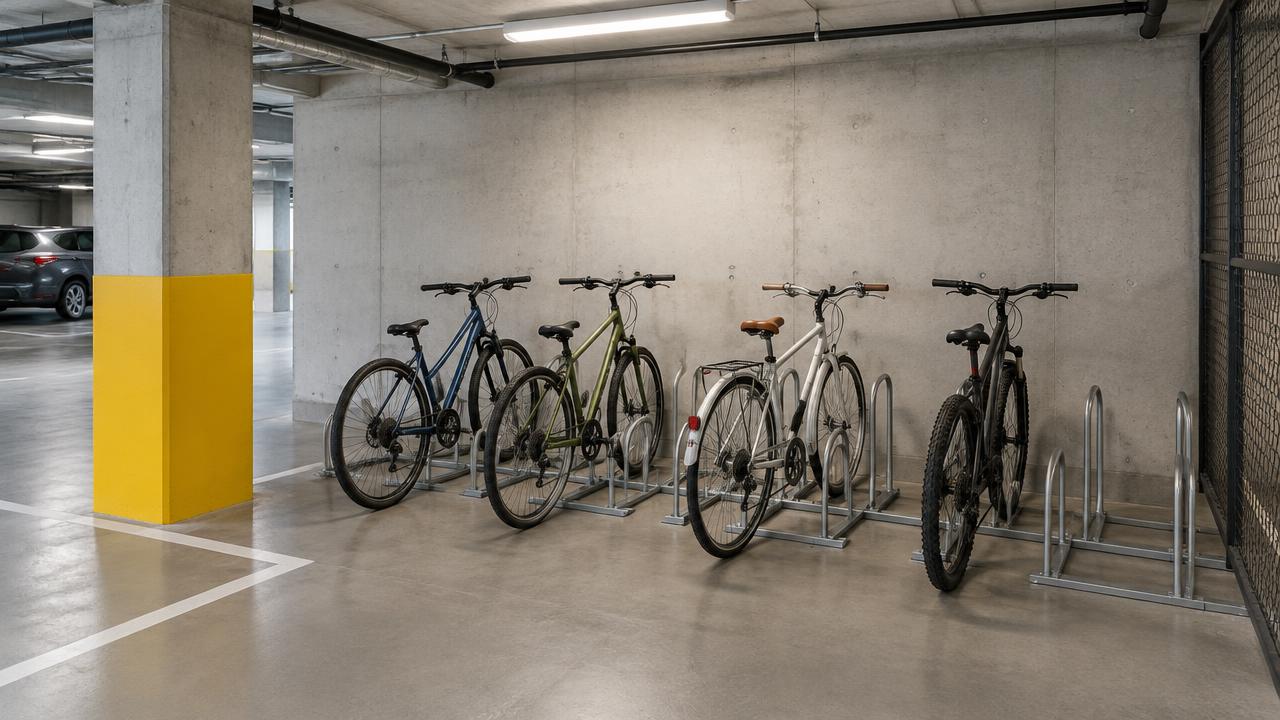
Effective apartment bike storage solutions require a focus on site-specific spatial planning and operational oversight. For property managers, the configuration of the bike room impacts tour conversion, resident safety, and building maintenance. When storage is poorly planned, residents may be more likely to bring bikes into their units, which can lead to scuffed hallway walls and debris in elevators.
This guide provides a practical framework for assessing rack layout, security tiers, and the operational processes required to maintain a functional mobility hub. While physical storage remains a cornerstone for residents who own high-value equipment, a managed mobility program can complement these facilities by providing bike access to casual riders without requiring them to find long-term space for a private bicycle.
Solving for Density: Layout and Aisle Requirements
Maximizing the unit count per square foot is a priority in luxury properties, but density must be balanced with accessibility. The Association of Pedestrian and Bicycle Professionals (APBP) provides specific measurements for bicycle parking in their Essentials of Bike Parking guide. Their guidelines suggest access aisles of at least 48 inches (122 cm) for standard racks, with 60 inches (152 cm) preferred to allow residents to safely maneuver bikes in high-traffic areas.
If your current access aisles are significantly narrower than the 48-inch minimum for your specific rack configuration, it can lead to bikes tangling or residents struggling to reach their equipment. This often results in underutilized space and abandoned bikes. Property managers should evaluate two primary rack configurations:
- Horizontal Ground-Mounted Racks: These are often preferred for daily use because they eliminate the need to lift a bicycle. However, they require the most square footage per bike.
- Two-Tier and Vertical Systems: According to infrastructure design guidance from Saris, two-tier systems can potentially double capacity compared to standard horizontal racks in a given footprint by stacking bikes vertically. This increase depends on the ceiling height and the ability to maintain the required aisle clearances for the specific rack model chosen. These systems are efficient for long-term storage, but managers must verify the specific weight limits and lift-assist mechanisms to ensure they are accessible for all residents.
Security Tiers in Multifamily Storage
Security is a primary concern for residents with high-value equipment. Effective apartment bike storage solutions are often categorized by the duration of storage and the level of enclosure provided.
Class I Storage: Enclosed and Protected
Class I facilities are intended for long-term or overnight storage. The Federal Highway Administration (FHWA) University Course on Bicycle and Pedestrian Transportation defines these as facilities that protect the entire bicycle and its components from weather and theft. While many luxury properties provide climate-controlled rooms with restricted fob access, the primary requirement for Class I storage is that the bike is protected from the elements and accessible only to the owner or authorized residents. Providing this level of security is a key talking point for leasing teams when discussing the building's amenity package.
Class II Storage: Short-Term Utility
Class II racks are intended for short-term stays, which the FHWA generally identifies as durations under two hours. These are typically outdoor, U-style racks located near the building lobby or retail entrances. While essential for visitor parking and quick errands, Class II racks are not the primary storage solution for residents due to the lack of environmental protection and the lower level of security compared to an indoor Class I room.
Operational Oversight and Managed Mobility
For properties where expanding physical storage would require a major construction project, managed bike share offers a strategic complement to existing racks. Instead of every casual rider needing to store a private bike, a communal fleet can serve multiple households using a smaller footprint.
Property Pedal provides standard, non-electric bikes branded to your community. This hybrid model uses geofenced pickup and return zones, which often allows for the reuse of existing outdoor racks or designated pavement areas. This model tracks the rider's phone location during the trip to ensure the bikes are returned to their designated zone. In some site-dependent scenarios, providing mobility as a service can help reduce the pressure on resident storage rooms by catering to residents who do not own a private bicycle.
An Operational Review Checklist
Managers should use the following steps to ensure their bike storage remains a functional asset rather than a liability:
- Stagnation Audit: Review the storage area to identify bikes that appear unmoved. Use a dated repeat observation process (such as tagging a bike and checking it again after 14 days) rather than relying on appearance alone. Before reclaiming any space, confirm the resident's status and follow your property's established policy for notification and removal.
- Access Log Verification: If your bike room uses a fob system, verify with your security provider that the system is successfully logging entry data. Confirm whether the software generates a usable audit trail for the management team or if it simply grants access.
- Aisle Measurement: Measure the clear space between the back of your racks and the opposite wall. If the space is less than 48 inches for a standard horizontal rack layout, you may need to reconfigure the layout or remove a small number of racks to improve the utility of the remaining spaces, as cramped aisles often discourage use.
- Hardware Inspection: Check the integrity of ground-mounted bolts and moving parts on two-tier racks every quarter. For managed fleets, Property Pedal hires local mechanics to handle this maintenance, ensuring the bikes are safe and functional without adding tasks to your on-site maintenance team.
Conclusion: Strategic Mobility Planning
A balanced approach to apartment bike storage solutions combines secure Class I racks for bike owners with a convenient shared option for casual users. Depending on the resident profile, this can help keep common areas organized and hallways clear.
If you are evaluating your building’s bike room capacity or looking to integrate a managed fleet, visit our how it works page or explore bike share for apartments.
To discuss how a geofenced bike share program can fit into your current site plan, you can request a quote from our team.

Effective bike room design balances high-density tiered racks with clear access aisles to ensure safety and resident convenience.