Bike Share for Apartments: A Site Operations Guide
A practical framework for property managers to evaluate bike share for apartments, covering site logistics, resident adoption, and the reality of managed maintenance.
By Kyle Sheker, Founder · October 16, 2026 · 8 min read
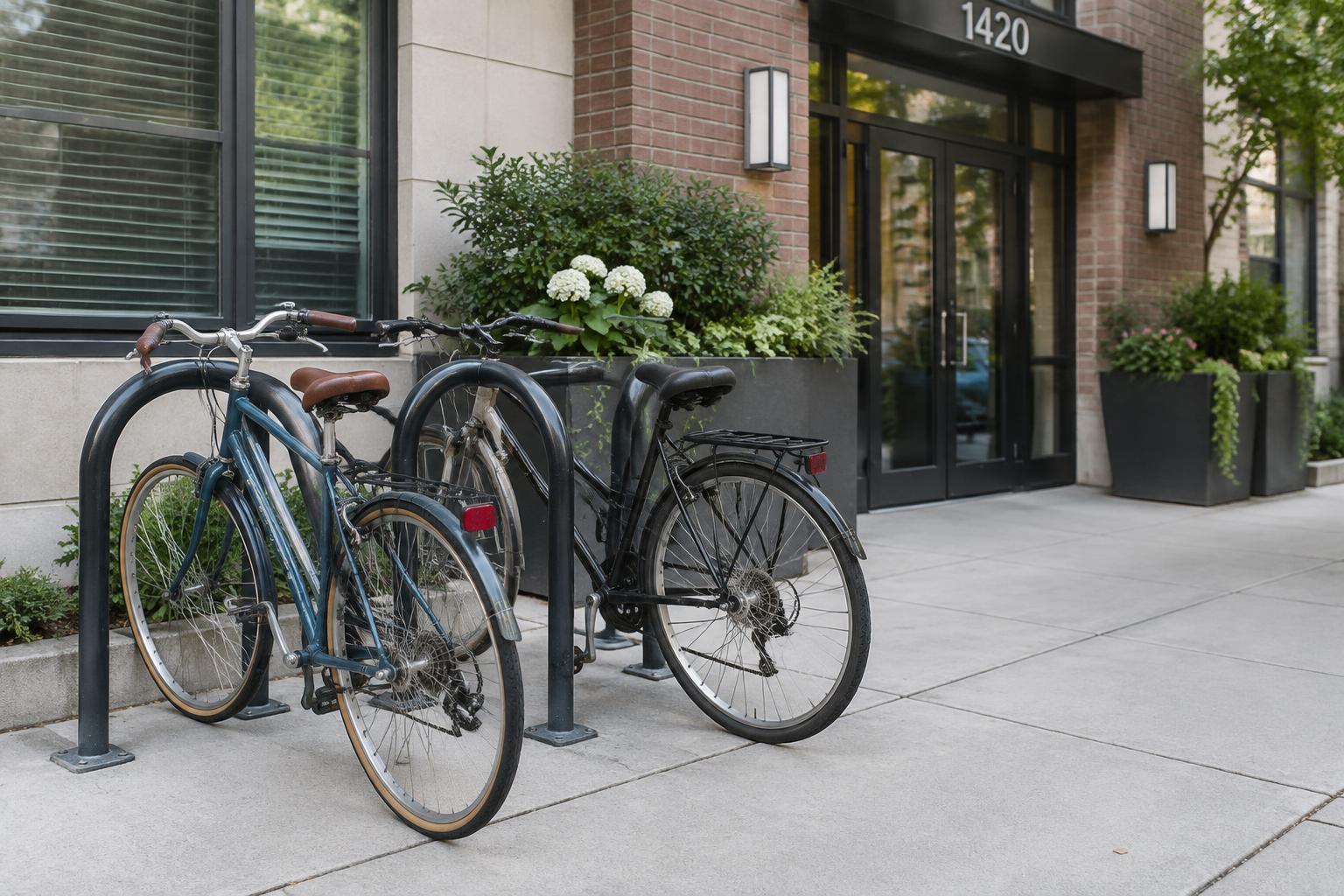
Choosing a new amenity involves more than checking a box on a list of resident demands. For a property manager or regional director, the decision to implement a bike share for apartments depends on whether the program solves a specific transit gap without creating a new maintenance burden for the on-site team.
This guide provides an operational framework for evaluating a shared fleet, from selecting geofenced return zones to understanding the true stated willingness of residents to pay for mobility services. By focusing on the resident's daily journey rather than generic sustainability claims, operators can build a program that actually supports lease-up and retention goals.
How does bike share for apartments impact resident retention?
Managed mobility programs offer a high-utility service that distinguishes a property during the tour and supports long-term occupancy. Unlike static fitness centers, a bike share for apartments moves with the resident, branding the property throughout the neighborhood and providing a functional alternative to driving for short-range trips.
In a 2016 Concept Community survey of more than 84,000 renters nationwide, Multifamily Executive reported that approximately 26% of respondents indicated they would pay at least $5 more per month to live in a community that offers a bike-share program. While this represents historical stated willingness to pay rather than a guaranteed rent premium, it highlights a measurable segment of the market that values shared mobility over individual bike ownership. Furthermore, studies published by the National Library of Medicine have examined the relationship between bike-sharing access and house prices, suggesting that micro-level proximity to these systems can influence property valuations in urban environments.
For the operator, the benefit is twofold: providing a branded amenity that residents use and reducing the pressure on private bike storage rooms, which are frequently overcrowded and difficult to manage.
Can existing infrastructure support bike share for apartments?
Many properties hesitate to launch a bike program because they assume it requires expensive proprietary docking stations or dedicated construction. However, a modern approach to bike share for apartments leverages existing site assets to minimize initial capital expenditure.
Existing racks can often be reused where suitable, which can lower customer cost [5]. Before committing to new hardware, property managers should conduct a site audit to check if current racks are in good condition and located in high-visibility areas near building exits. If the current racks are accessible and secure, they can serve as the designated hubs for the program.
Should you choose a docked or dockless model?
Proprietary docks offer high security but come with high costs and a fixed footprint that is difficult to change once installed. Conversely, completely dockless systems can lead to cluttered courtyards and resident complaints. The middle ground is a hybrid geofenced model. In this setup, designated pickup and return spaces can be geofenced to suit the property [5]. This ensures that bikes are returned to specific, orderly areas (like existing racks) without requiring the installation of permanent, electrified docking stations.
How is bicycle location monitored?
Security is a common concern for asset managers. In a managed program, the rider's phone location is tracked during the ride [5]. This allows the management software to verify that a bike has been returned to the correct geofenced zone before the session ends. It is important to note that this tracking relies on the mobile application rather than GPS hardware embedded in the bicycles themselves. This method provides accountability for resident use while keeping the hardware costs lower than public-scale systems.
How do you select the best pickup and return zones?
Strategic placement is the difference between a program that sees daily use and one that sits idle. The goal is to place the bikes at the natural point of departure for a resident's trip.
- The Visibility Test: Place bikes where residents walk every day, such as near the main lobby or the path to the parking garage. If residents have to go out of their way to find the fleet, they will likely choose another transportation method.
- Path of Travel: Ensure the route from the bike rack to the street is free of stairs, heavy manual doors, or narrow corridors. A resident carrying a bag should be able to exit the property easily with the bike.
- Geofencing Clarity: The return zone must be clearly marked. If a resident is confused about where the geofence ends, they may experience frustration when trying to end their ride in the app. Use physical signage or painted markers to match the digital boundaries.
Property Pedal supplies standard, non-electric bicycles, so its fleet does not require a battery-charging area [5]. This simplifies site selection significantly, as managers do not need to pull permits for outdoor electrical work or manage the fire risks associated with e-bike battery storage. While public systems may offer e-bikes, those are separate third-party operations with different infrastructure needs [3].
What are the operational tradeoffs of a managed program?
While a bike share for apartments adds value, it also introduces new operational variables. Managers must weigh the benefits against potential points of friction:
- Maintenance Responsibility: An unmanaged bike program quickly becomes a liability as chains rust and tires deflate. A managed service must include regular professional maintenance to ensure safety and functionality.
- Liability Management: Operators should ensure the program includes a robust digital waiver process within the app and clearly defined terms of use to protect the property association.
- Resident Onboarding: The program only works if residents know how to use it. Leasing teams should include the bike share in the move-in packet and demonstrate the app during initial tours.
Frequently asked questions
Does Property Pedal offer electric bikes for apartment buildings?
No. Property Pedal supplies standard, non-electric bicycles. This focus ensures the program remains easy to manage for property staff, as there are no batteries to charge or complex electrical components to repair.
How much space is required for a 10-bike fleet?
If you are using existing racks, the footprint is zero. If installing new racks, you generally need an area of approximately 10 feet by 15 feet to allow for easy access and maneuvering. Because the system uses geofencing, the fleet can also be split across multiple smaller locations on the property.
Can we charge residents to use the bikes?
Yes. The admin software allows property managers to choose between a free amenity model, a per-use fee, or a monthly membership model. This flexibility allows the building to offset operating costs or generate modest ancillary income.
What happens if a bike is left outside the geofence?
The software alerts the administrator if a ride is ended outside the designated zone. Most programs use a tiered fine system or temporary suspension of riding privileges to encourage residents to follow the return rules.
Moving from planning to implementation
Successfully launching a bike share for apartments requires balancing resident experience with operational simplicity. By choosing a managed, geofenced model that utilizes standard bicycles, property managers can avoid the high costs and logistical headaches of docking stations and battery management.
If you are ready to evaluate your building's site plan for a mobility program, Property Pedal provides a turnkey solution that includes fleet sizing, property branding, and ongoing maintenance. We handle the mechanics and the software so your on-site team can focus on tours and renewals.
To see how a branded fleet would look at your community, request a quote today.
Sources and further reading
- 1.Does Bike Sharing increase House Prices? Evidence from Micro-level Data, National Library of Medicine
- 2.Bike Storage and Sharing Grow More Popular, Multifamily Executive
- 3.Bike Shares, E-Bikes Gain Speed as Amenity, Multi-Housing News
- 4.A Practical Guide to Implementing Bike Share for Apartments, Property Pedal